UK Gambling Commission Unveils Q2 2025 Stats: £3.2 Billion Gross Yield Powers British Industry Forward
22 Mar 2026
UK Gambling Commission Unveils Q2 2025 Stats: £3.2 Billion Gross Yield Powers British Industry Forward

The Latest Snapshot from the Gambling Commission
Observers tracking the British gambling landscape now have fresh numbers to chew on, as the UK Gambling Commission dropped its official quarterly industry statistics for Q2 of the financial year April 2025 to March 2026—that's July through September 2025—and the figures paint a picture of steady activity across the board. Total gross gambling yield, or GGY, clocked in at £3.2 billion for the industry excluding lotteries, a metric that captures the net win for operators after payouts, and one that experts watch closely because it reflects overall sector health amid shifting regulations and player behaviors.
What's interesting here is how the data splits between remote and non-remote operations, revealing where the action truly lies in an era when online platforms dominate daily habits; non-remote betting alone contributed £592 million, accounting for 48.2% of the total non-remote GGY, while the remote casino, betting, and bingo sectors combined pulled in a hefty £2.0 billion, with remote casino slots leading the pack at £1.4 billion. And as these numbers roll out in early 2026, they offer a timely benchmark just months ahead of the financial year's close in March, helping stakeholders gauge momentum heading into spring.
Diving into Remote Dominance
Remote sectors stole the show this quarter, generating £2.0 billion in GGY from casino, betting, and bingo activities, and that's no small feat when remote casino alone raked in £1.4 billion—a figure that underscores the pull of digital slots and table games, where players log in from home or mobile devices without stepping foot in a physical venue. Data from the report highlights how this remote casino slice, making up the lion's share of the remote total, benefits from 24/7 access and tech-driven features like live dealer streams, although seasonal upticks in summer play a role too, with warmer months often correlating to higher online engagement as people balance outdoor plans with quick sessions.
But here's the thing: remote betting and bingo filled out the rest of that £2.0 billion pot, showing balanced growth across sub-sectors; experts who've pored over past quarters note that while casino leads, betting's remote arm holds steady thanks to in-play options on sports events, and bingo maintains a loyal base through community apps. Turns out, this remote surge aligns with broader trends where smartphone penetration keeps climbing, pushing more activity off high streets and onto servers.
Non-Remote Betting Holds Ground
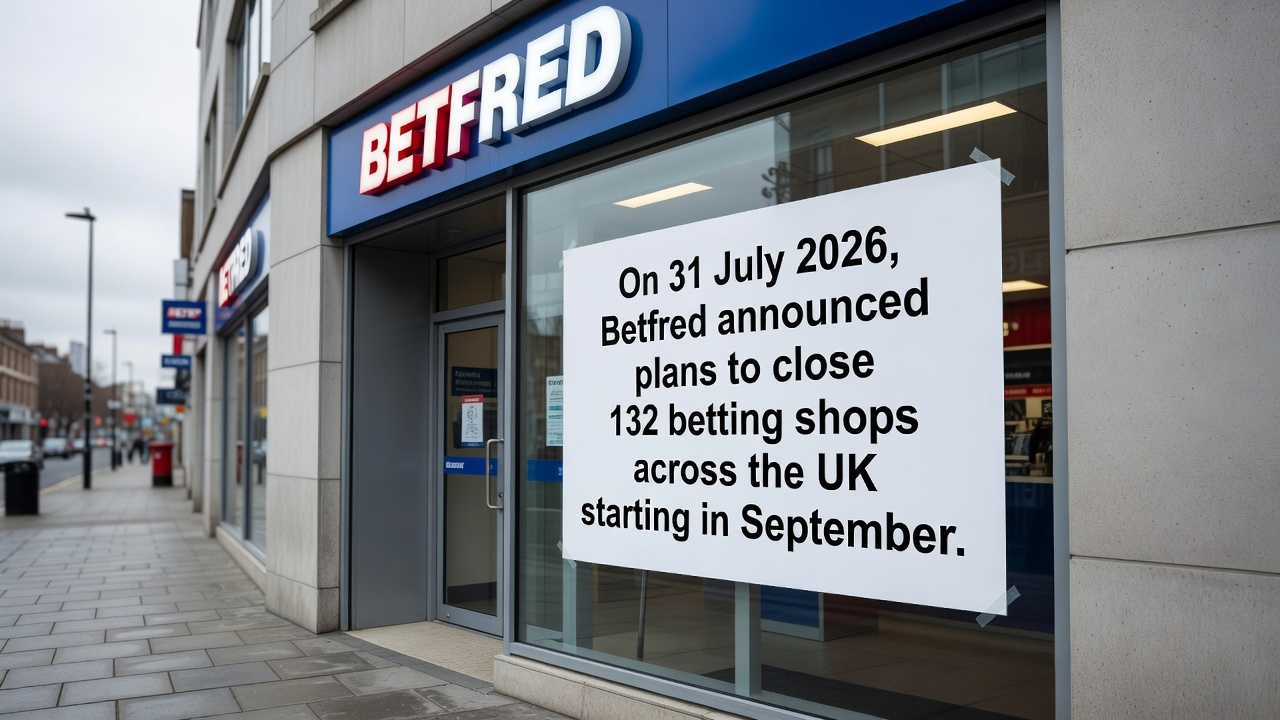
Shifting focus to the high street, non-remote betting delivered £592 million in GGY, representing 48.2% of the overall non-remote total, and that chunk comes from the familiar betting shops dotted across towns and cities—5,782 of them in operation as of the quarter's end, a number that speaks to resilience even as online rivals proliferate. These shops, often hubs for football punters and horse racing fans, thrive on the social buzz of match days, where crowds gather to watch screens and place bets in real time; the report's data on premises underscores this stability, with minimal closures noted despite economic pressures.
One might notice how this 48.2% share for betting within non-remote GGY highlights its core role alongside other land-based activities like arcades and casinos, yet the figures also flag seasonal patterns—summer quarters like this one see boosts from major events such as Premier League pre-seasons or Ascot races, drawing footfall that remote can't fully replicate. People who've studied these stats over years point out that while total non-remote lags behind remote, betting shops remain a bedrock, employing thousands and contributing to local economies through rates and community ties.
Betting Shops and Premises: Numbers That Matter
The report lays out specifics on premises, confirming 5,782 betting shops active during Q2, a tally that includes both independents and chains like those from major bookmakers, and this count factors into broader non-remote data where GGY distributions reflect shop densities in urban areas versus quieter regions. Gaming machines, another key element, populate these venues with thousands of units—slots and fixed-odds machines that add to the non-remote yield beyond pure sports betting; figures reveal steady machine revenues, tying into the £592 million betting haul and showing how diversified income streams keep shops viable.
It's noteworthy that the Gambling Commission tracks these premises rigorously, updating counts quarterly to monitor compliance and market shifts, and with the financial year spanning to March 2026, these Q2 numbers set expectations for potential winter dips followed by spring rebounds. Observers note closures happen, but at rates offset by new openings in high-traffic spots, ensuring the 5,782 figure holds as a snapshot of endurance.
Seasonal Trends Shaping the Quarter
Seasonality weaves through the data like a thread, with Q2's summer window—July to September—showing elevated GGY across segments, driven by events that pack calendars: think European football qualifiers, cricket tests, and festival-season horse meets that spike both remote logins and shop visits. The report details these trends explicitly, noting how non-remote betting's £592 million aligns with warmer-weather footfall, while remote casino's £1.4 billion surges on mobile bets during commutes or evenings; remote totals at £2.0 billion capture this too, as platforms ramp promotions around big games.
And yet, the overall £3.2 billion GGY excluding lotteries provides context for year-over-year patterns, although this quarter stands alone in its summer glow—experts analyzing past releases find Q2 often outperforms quieter periods, with gaming machines in shops contributing steadily amid the buzz. What's significant is how these trends inform projections to March 2026, where holiday seasons could push numbers higher still.
Take one case from the data: betting shops saw sustained traffic despite online competition, a pattern repeated in prior summers, while remote bingo held niche appeal through virtual rooms mimicking social halls. Such insights, drawn straight from the quarterly stats, help operators tweak strategies, from staffing shops to optimizing app features.
Gaming Machines and Broader Premises Data
Beyond betting cores, gaming machines dot the landscape—thousands in shops, pubs, and arcades—bolstering non-remote GGY with their consistent play; the report aggregates this into totals, where machines complement the £592 million from pure betting, creating a fuller picture of land-based resilience. Premises data extends to casinos and family entertainment centers too, but betting shops at 5,782 anchor the count, their machines often tailored to quick-stake punters eyeing football accumulators or virtual sports.
Here's where it gets interesting: the Commission's breakdown shows machine yields intertwining with seasonal lifts, as summer tourists feed coastal arcade machines, indirectly supporting betting shop ecosystems. Those who've crunched these numbers over multiple quarters discover that while remote eclipses all, non-remote's machine and premises stability prevents sharper declines.
Wrapping Up the Q2 Picture
Conclusion: Steady Yields Point to Sector Momentum
As the financial year progresses toward March 2026, these Q2 stats—£3.2 billion total GGY, £592 million non-remote betting at 48.2% share, £2.0 billion remote with £1.4 billion casino dominance, plus 5,782 betting shops and layered premises data—solidify a narrative of adaptation and endurance in British gambling. Seasonal trends amplify the quarter's strength, gaming machines add depth, and the full industry report offers granular views for those digging deeper.
Stakeholders now eye Q3 with these benchmarks in hand, knowing remote's rise and high-street grit keep the £3.2 billion engine humming; the reality is, such data doesn't just inform—it shapes the bets placed next quarter. And with March 2026 on the horizon, the sector's trajectory looks primed for continued scrutiny.