30 Jul 2026
Prediction Markets Draw UK Attention Ahead of Major 2026 Events
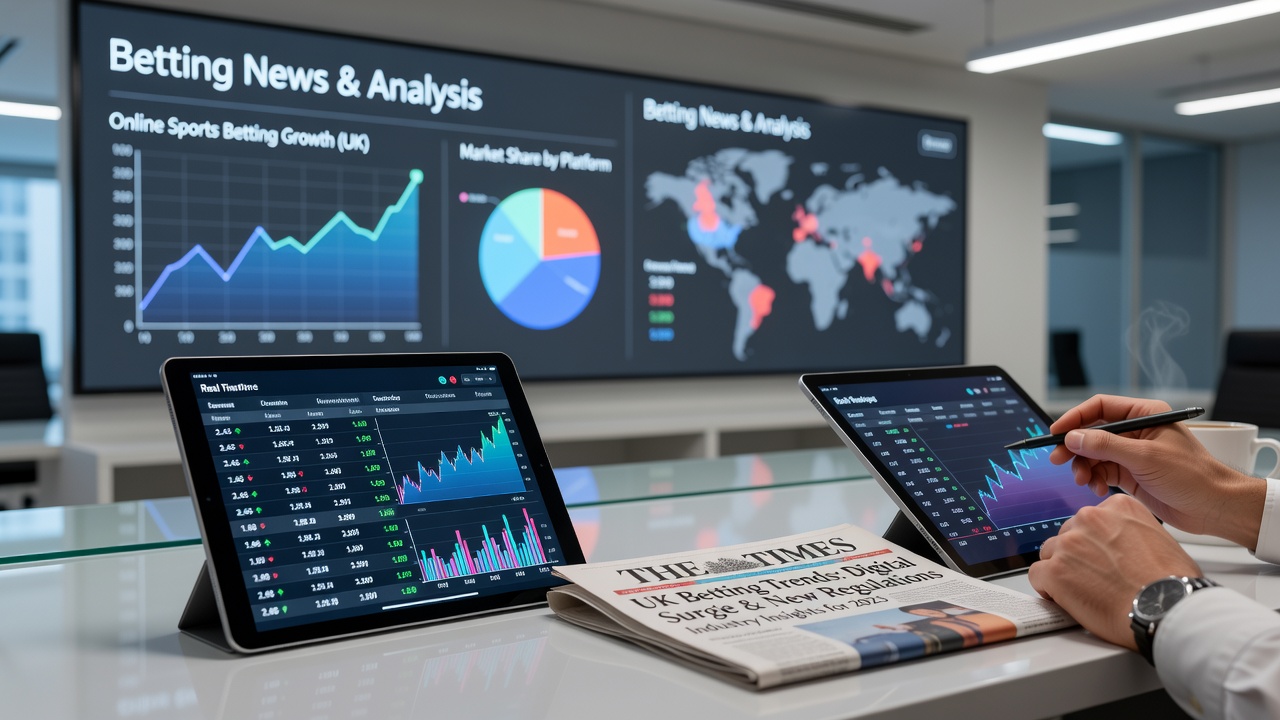 The Guardian's July 2026 coverage highlights rising UK engagement with prediction markets such as Polymarket, where participants place wagers on outcomes ranging from election results to sports tournaments. Events like the upcoming 2026 World Cup and the Clacton by-election serve as key catalysts, prompting users to seek platforms that operate outside standard domestic channels. Observers note that these markets function through cryptocurrency-based systems, allowing direct participation without traditional bookmaker intermediaries. Data on official UK sports betting volumes provides context for the contrast. Figures from the Gambling Commission indicate steady activity through licensed operators, yet the report points out that prediction market activity appears to operate in a parallel space. Bettors access international sites by various means, which raises questions about how such trends might develop relative to patterns observed in the United States.
Events Fueling Platform Interest
The 2026 World Cup stands as one prominent driver, with markets available on team advancement, match results, and player performances. The Clacton by-election adds another layer, as users create and trade positions on political outcomes that traditional sportsbooks do not cover. Those monitoring the space report increased sign-ups and trading volume in the weeks leading into these dates, particularly among individuals already familiar with online wagering.
UK participants often navigate around existing rules by using virtual private networks or foreign payment methods, a pattern The Guardian article examines in detail. This approach mirrors earlier shifts seen when cryptocurrency exchanges gained popularity, though the scale remains smaller than established sports betting channels at present.
Regulatory Landscape and Access Patterns
Current UK rules require operators to hold licenses from the Gambling Commission, with strict standards on advertising, age verification, and consumer protections. Prediction market platforms based overseas fall outside these requirements when accessed remotely, creating a gap that some users exploit. The article references this dynamic without assigning blame, instead focusing on volume comparisons and user behavior data.
Statistics on UK wagering volumes via sportsbooks show continued dominance by licensed entities, while anecdotal reports suggest growing curiosity toward decentralized alternatives. Researchers tracking transaction flows note that cryptocurrency deposits to these platforms have risen in tandem with announcement of high-profile events.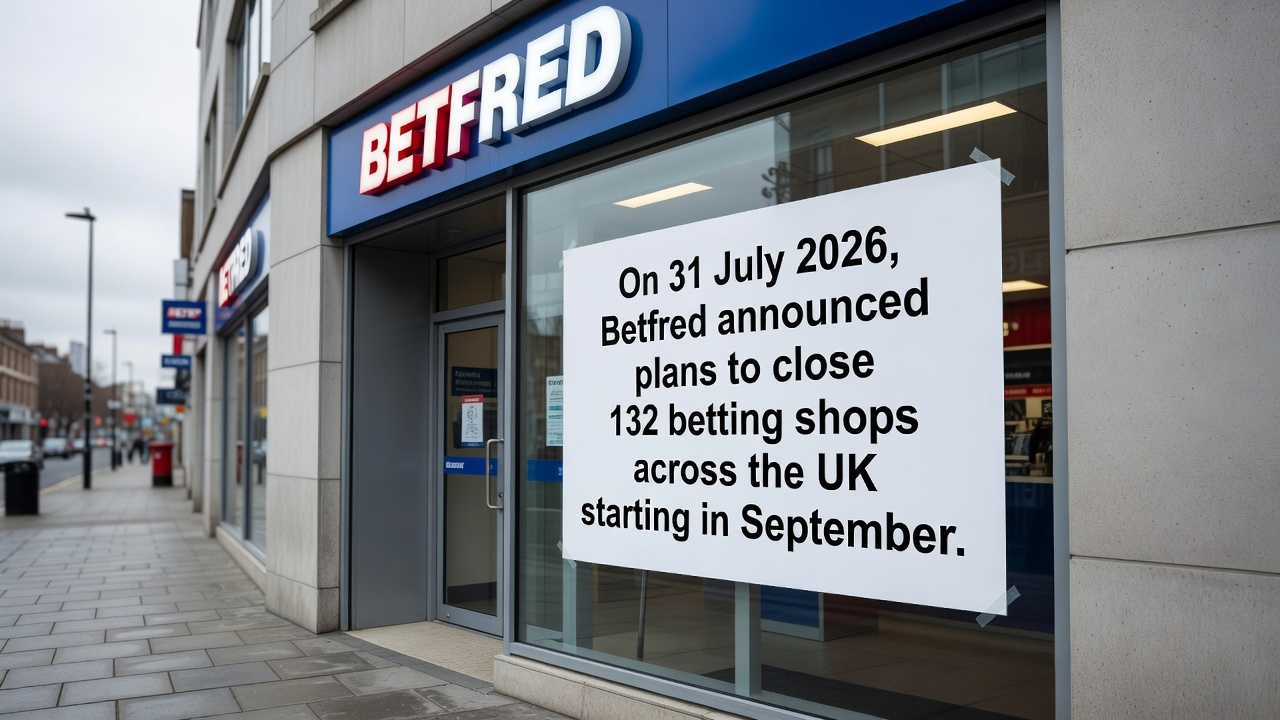
Comparison to US Market Developments
teh Guardian piece questions whether UK participation could reach levels seen in the United States following the 2018 repeal of the PASPA ban. American platforms experienced rapid expansion once state-level regulations clarified, leading to broader acceptance and higher trading activity around elections and sports. UK observers examine these outcomes to assess potential parallels, though differences in legal frameworks and market maturity complicate direct comparisons.
One study of transaction patterns found that US volumes spiked during election cycles, with similar but more modest increases noted in UK-adjacent activity around by-elections. The article presents these observations as data points rather than forecasts, emphasizing the need for ongoing monitoring of both licensed and unlicensed channels.
Volume Contrasts and Market Dynamics
Official statistics reveal that sports betting through UK-licensed operators generates substantial gross yield, with horse racing and football remaining primary categories. Prediction markets, by contrast, concentrate on event-specific contracts that may not align with traditional odds structures. This distinction leads some analysts to view them as complementary rather than direct competitors, at least in the near term.
Those who track user demographics report that individuals already active in online spaces tend to explore prediction platforms first, often driven by specific upcoming fixtures or political contests. The Clacton by-election serves as a contained example, while the World Cup offers broader international visibility that could sustain momentum through 2026.
Conclusion
The Guardian's examination underscores how prediction markets intersect with existing UK betting habits without replacing them outright. As major events unfold in July 2026 and beyond, continued observation of access methods, volume shifts, and regulatory responses will provide clearer pictures of long-term trajectories. Data from both licensed operators and emerging platforms will remain central to understanding these developments.