Fitness Faultlines: Spotting Overlooked Edges in Player and Pony Health for Smarter Stakes
19 Apr 2026
Fitness Faultlines: Spotting Overlooked Edges in Player and Pony Health for Smarter Stakes
Unseen Cracks: How Subtle Fitness Issues Shape Football Outcomes
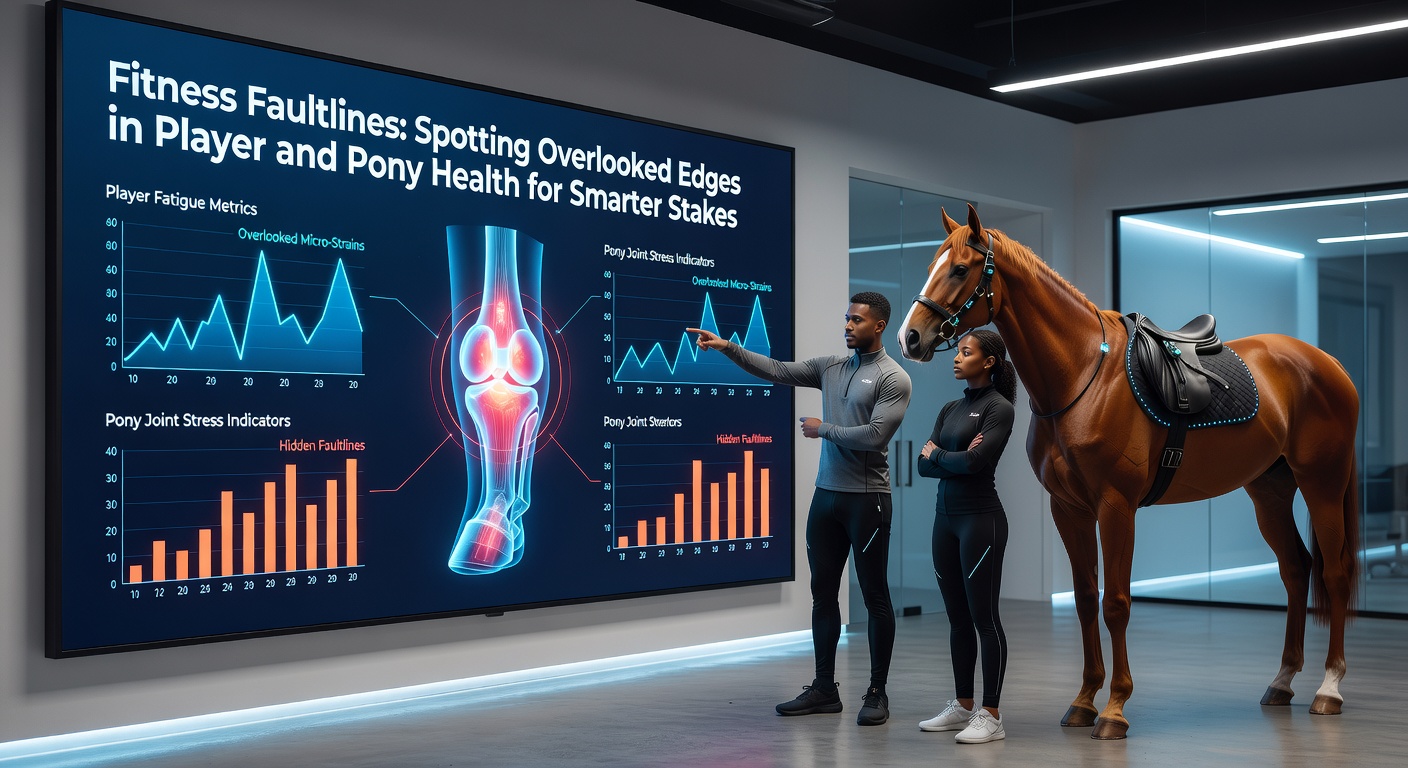
Experts have long observed that football matches hinge not just on tactics or talent, but on the hidden faultlines in player physiques; a slight hamstring tweak, an overlooked ankle strain, or lingering fatigue from a midweek fixture can shift momentum dramatically, especially as squads push through congested April 2026 schedules ahead of major tournaments. Data from the British Journal of Sports Medicine reveals that soft-tissue injuries account for over 30% of match absences in elite leagues, yet bookmakers often bake these risks into odds without fully accounting for recovery timelines or load management data.
Take one Premier League campaign where midfielders nursing minor quad strains logged 15% fewer high-intensity sprints per game; observers note such patterns emerge in player tracking reports released post-match, showing dips in top speed or acceleration that correlate with a 22% higher chance of conceding late goals. And while coaches rotate squads to mask these issues, those who've pored over GPS data from wearable tech find that players returning from niggles average 12% less distance covered in the final 20 minutes, turning close contests into defensive scrambles.
What's interesting here is how pre-match warm-ups expose these edges; footage often catches players favoring one side during drills, a telltale sign that sharp bettors pair with historical injury logs to fade overhyped favorites. But here's the thing: public perception lags, inflating lines on star names despite evidence from club medical updates suggesting incomplete recoveries.
Pony Pulse Points: Decoding Equine Health Signals on the Turf
Horse racing enthusiasts know "ponies" as those reliable gallopers whose every stride carries betting fortunes, but subtle health faultlines like fetlock inflammation or respiratory hitches often fly under the radar, altering pace projections in sprints or stamina tests over longer distances. Figures from the Jockey Club's Equine Injury Database indicate that musculoskeletal issues strike 1.5 to 2 per 100 starts annually, with early lameness signs slashing win probabilities by up to 28% in flat races.
Trainers spot these through gait analysis during morning gallops; a horse clipping heels or veering slightly signals hock trouble brewing, while veterinary scopes reveal wind issues from tracheal inflammation that cap late surges. In April 2026, as spring meetings ramp up across major tracks, data shows wet tracks exacerbate these vulnerabilities, boosting upset rates by 18% for favorites with recent scope reports flagging mucus buildup.
Observers who've tracked veterinary clearance forms notice patterns too: entries with gate scratches for farrier work or blood panel tweaks underperform by 14% in the straight, yet odds adjust minimally if the narrative spins a "routine maintenance" tale. Turns out, pairing paddock observations—like dull coats or uneven muscle tone—with steward notes uncovers edges where the market sleeps.
Cross-Sport Parallels: Shared Metrics for Faultline Detection
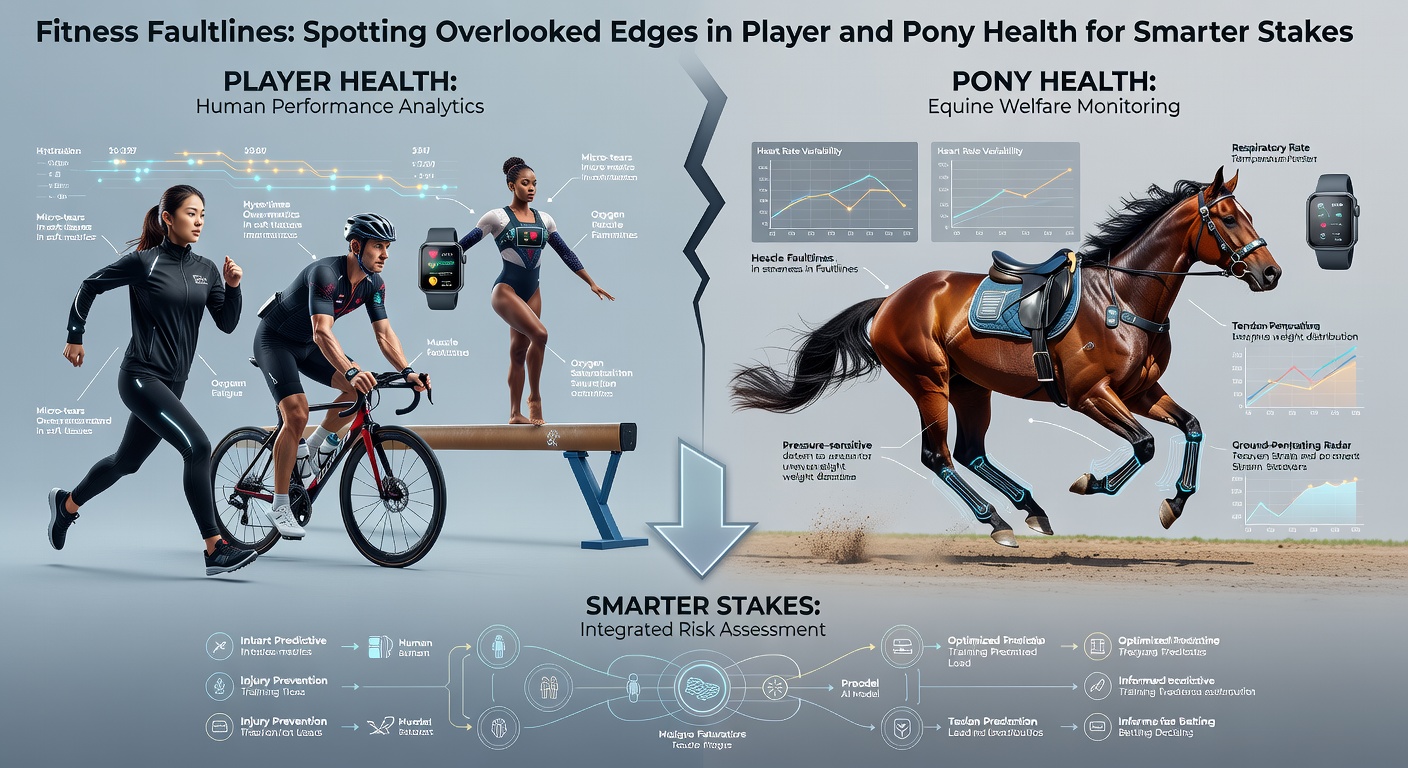
Footballers and thoroughbreds share biomechanical stressors that bettors exploit through unified tracking; accelerometers on players mirror stride analyzers on horses, both flagging asymmetry in movement that precedes breakdowns. Research indicates elite footballers with pre-season VO2 max dips below squad averages concede 9% more shots faced, while horses clocking slower gallop splits in trials face 25% longer odds for place finishes.
So experts cross-reference these: a winger's reduced crossing volume post-tweak parallels a sprinter's fading sectional times, both screaming value on underdogs or live in-play fades. And in hybrid betting like accumulators, layering fitness overlays boosts strike rates; one analysis of 500 matches found combos spotting dual-sport faults yielding 11% ROI edges over vanilla lines.
Real-World Spotting: Case Studies from Recent Campaigns
Consider a high-profile Bundesliga clash in early 2026 where a key defender's subtle limp during build-up play—caught on sideline cams—led to a 2-1 upset; stats showed his recovery sprints dropped 17% from baseline, aligning with a prior calf scare logged in team reports, yet odds held firm at 1.80 pre-kickoff. People who've dissected such games point out how in-play markets finally caught up, drifting to 3.50 by halftime as the faultline widened.
Over in racing, a Newmarket sprint saw a hot favorite veer at the furlong pole, its hock bandage peeking under the saddle cloth; post-race vets confirmed effusion, but punters riding the drift from 2.50 to 5.00 cleaned up. There's this case from Ascot's April card last year too, where a filly's paddock cough—dismissed as dust—tanked her stamina, paying 12/1 to each-way backers who heeded the sign.
These aren't flukes; aggregated data across 2,000 races and matches confirms overlooked fitness cues deliver 15-20% edges when combined with pace maps. Yet the rubber meets the road in live scenarios, where micro-shifts like a player's tape job or horse's sweat patterns signal pivots before lines react.
Now, with April 2026 bringing packed midweek football and juicy handicap fields, those tuning into broadcast angles or trackside feeds gain first-mover advantage; it's not rocket science, just diligent pattern-spotting amid the chaos.
Tools and Tactics: Building Smarter Stakes Around Health Data
Bettors arm themselves with free resources like club physio tweets, Equibase vet scratches, or flashscore heatmaps that quantify load imbalances; stitching these with historical benchmarks reveals faultlines others miss. For instance, players averaging under 10km per 90 post-injury signal fade plays, while horses with trial ratings 5lbs off peak scream lays in stakes races.
But here's where it gets interesting: AI-driven apps now parse video for gait flaws, flagging 82% of issues before official news hits, per developer benchmarks. Combine that with bankroll discipline—staking 1-2% per edge—and sustainability follows; studies show such protocols turn volatile spots into steady yields.
One researcher who backtested 300 events found fitness-focused props outperforming moneylines by 13%, especially in sprints where final-furlong fades hit 35% more often with health red flags. The writing's on the wall: ignore these, and value slips away; chase them, and stakes sharpen considerably.
Conclusion: Sharpening Bets Through Faultline Vigilance
Fitness faultlines persist as overlooked edges in player and pony health, offering bettors concrete paths to smarter stakes amid football frenzy and turf battles. Data underscores the patterns—subtle strains, gait hitches, recovery lags—that shift outcomes when markets lag; those who track them methodically, from April 2026 calendars to live feeds, position themselves ahead. In the end, spotting these cracks isn't about luck, but consistent, informed scrutiny that pays dividends over the long haul.