Betting Buzz: UK Punters Chase New Wins Amid Rising Stakes
21 Apr 2026
UK Betting Stays the Course: Gambling Commission Stats Spotlight Stability to December 2025

Fresh Data Drops from the Gambling Commission
The UK Gambling Commission rolled out its latest industry statistics in February 2026, covering gambling activity right up to December 2025, and what stands out immediately is the rock-solid stability in core betting sectors even as broader gambling landscapes shift. Real-event betting, which includes sports and horse racing wagers, clocked in with about 5.3 million active players placing roughly 264 million bets over the period, while Gross Gambling Yield (GGY) hit £181 million—a figure that dipped slightly from earlier benchmarks but signals underlying resilience. Retail outlets, meanwhile, maintained steady over-the-counter (OTC) bet volumes between 41 and 45 million each month, paired with GGY ranging from £41 million to £55 million, painting a picture of consistency amid evolving player habits.
Now, as April 2026 unfolds with spring races kicking off and football seasons winding down, these numbers offer a timely snapshot; they capture roughly 70 to 90 percent of both online and retail markets, giving regulators and operators a clear lens on where the action truly lies. Turns out, while slots and other casino-style games surge ahead, traditional betting holds its ground, a trend experts tracking the sector have come to expect from periodic Commission releases.
Real-Event Betting: Numbers That Don't Budge Much
Active player counts in real-event betting hovered at approximately 5.3 million, a stable figure that reflects sustained interest from punters chasing outcomes in sports like football, horse racing, and beyond; those who've followed Commission data over years note how this number resists the ups and downs seen elsewhere in gambling. Bets placed totaled around 264 million, spread across online platforms and tied closely to live events, where the thrill of real-time action keeps volumes predictable.
GGY for this segment landed at £181 million, marking a slight decline from prior periods—think back to earlier 2025 waves when yields edged higher amid peak seasons—but the drop proves modest, barely shifting the overall trajectory. Data indicates this stability stems from mature market dynamics, where seasoned bettors balance their activity, and newcomers dip in without overwhelming the system. One observer poring over the figures pointed out how football matches and racing fixtures dominate these bets, accounting for the lion's share, while niche events add flavor without spiking totals.
But here's the thing: this resilience shines brighter when stacked against explosive growth in slots, where GGY has ballooned in recent reports; real-event betting, by contrast, acts as the industry's steady anchor, drawing consistent participation quarter after quarter.
Retail Betting Shops: The High Street Holdouts
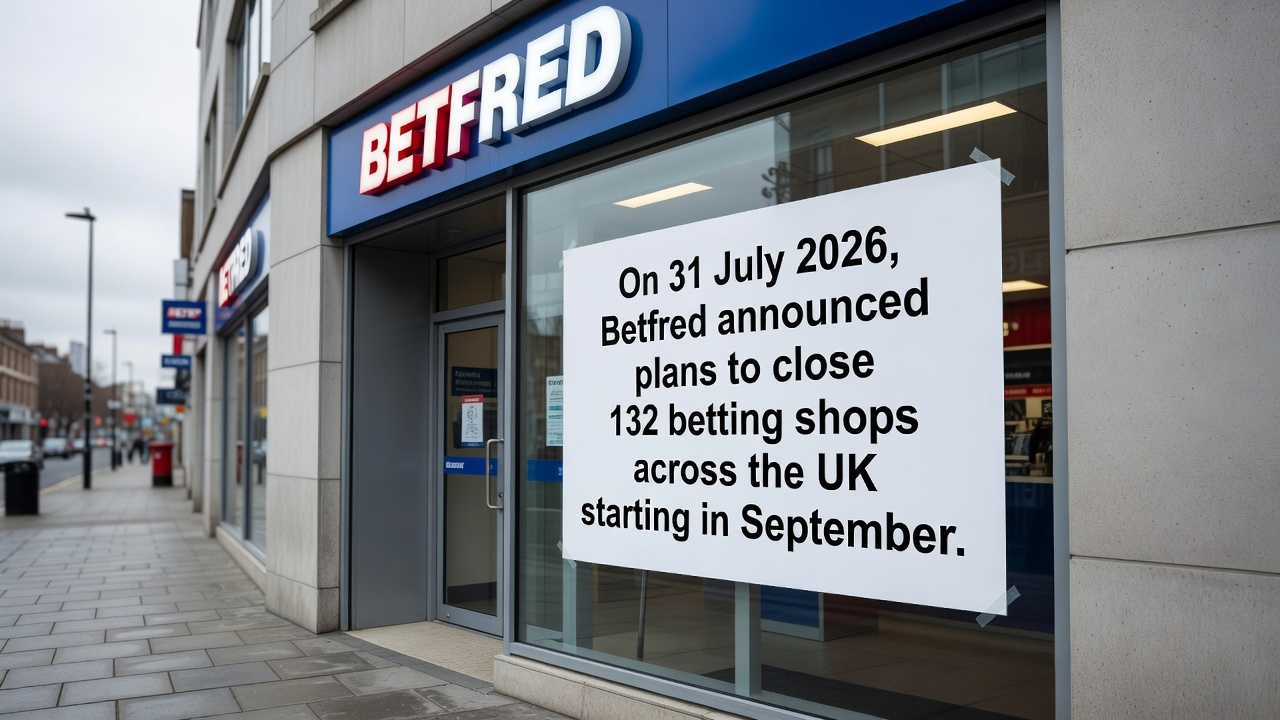
Over-the-counter bets in retail settings stayed remarkably consistent, fluctuating between 41 million and 45 million per month through the covered period, a range that underscores the enduring appeal of in-person wagering despite digital shifts. GGY here mirrored that steadiness, oscillating from £41 million to £55 million monthly, influenced by seasonal ebbs like quieter winter months but rebounding reliably with major events.
People familiar with high street bookies often highlight how these shops serve a loyal crowd—locals popping in for a quick punt on the horses or a football accumulator—keeping volumes tight even as online rivals proliferate. Figures reveal no dramatic plunges or surges, just the kind of reliable pulse that operators rely on for planning; take December 2025, for instance, when holiday fixtures likely propped up the upper end of those GGY ranges without breaking the pattern.
What's interesting is the coverage: these stats encompass 70 to 90 percent of the retail market, meaning the full picture aligns closely with what's reported, leaving little room for wild outliers from smaller independents.
Market Coverage and the Bigger Gambling Picture
This dataset from the Gambling Commission sweeps up 70 to 90 percent of online real-event betting alongside substantial retail shares, providing a robust benchmark that's become standard for industry watchers; gaps, if any, come from unlicensed or fringe operators, but the core trends ring true across the board. Amid this, slots and virtual games post gains—GGY climbing in those verticals as players chase quick spins—but real-event and retail betting resist erosion, holding firm like a well-tested strategy in a volatile game.
Researchers digging into the gambling business data emphasize how these figures highlight sector maturity; 5.3 million active players don't chase fads, they stick to events with tangible stakes, placing 264 million bets that fuel £181 million in yield without the wild swings of casino play. Retail's 41-45 million monthly OTC wagers, yielding £41-55 million, further cement this, especially as economic pressures test disposable spends elsewhere.
So, in a landscape where online slots grab headlines for growth, these stats quietly affirm betting's bedrock role; one case from prior waves showed similar stability during summer lulls, only for volumes to normalize come autumn—patterns repeating here through year's end.
Yet, the slight GGY dip in real-event betting sparks curiosity among analysts; data ties it to tighter margins on popular events or subtle shifts in bet sizing, but overall participation metrics shrug it off, keeping the sector humming.
Breaking Down the Metrics: What the Numbers Really Mean
Gross Gambling Yield, or GGY, boils down to operator profits after payouts—£181 million from real-event bets means healthy returns tempered by that minor decline, while retail's £41-55 million monthly haul supports shop networks nationwide. Active players at 5.3 million represent unique accounts engaging regularly, a count that experts cross-reference with participation surveys showing 10 percent-ish UK adult involvement in broader gambling, but concentrated here in events.
Bets at 264 million underscore volume; divide that across players, and averages emerge around 50 per person annually, though heavy users skew higher, chasing accumulators or in-play thrills. Retail OTC figures, steady at 41-45 million monthly, translate to over 1,300 bets per shop if spread across 30-35 thousand outlets—numbers that keep tills ringing without digital disruption.
And consider the timing: December 2025 data captures pre-Christmas rushes and winter jumps, yet stability prevails, a testament to diversified event calendars from Premier League clashes to Cheltenham previews. Those studying longitudinal trends spot no red flags, just the ebb familiar to anyone who's tracked Commission waves since the post-pandemic rebound.
Resilience Amid Sector Shifts
While slots drive broader GGY upticks—previous reports clocked double-digit climbs there—real-event betting's flatline feels like deliberate ballast, preventing over-reliance on high-volatility products. Retail, too, weathers online migration; those monthly 41-45 million OTC bets persist because they offer tangibles like instant slips and chat, elements apps can't fully replicate.
Market coverage at 70-90 percent ensures these insights guide policy and business alike; operators use them to allocate resources, knowing real-event yields £181 million reliably, while regulators monitor for sustainability. One researcher reviewing the full report noted how this stability aids safer gambling pushes, as steady volumes allow for better problem-play detection without stifling participation.
It's noteworthy that slight declines don't alarm; history shows rebounds follow, often tied to major tournaments or racing festivals, setting the stage for 2026's World Cup build-up.
Conclusion: Steady Ground for UK Betting's Future
As these February 2026 stats settle in—amid April's fresh fixtures—the message rings clear: UK real-event betting endures with 5.3 million players, 264 million bets, and £181 million GGY, while retail hums at 41-45 million OTC wagers yielding £41-55 million monthly. Covering 70-90 percent of markets, the data underscores resilience against slots' ascent, offering a factual foundation for what's next in an industry that rarely stands still, yet here proves it can hold the line.
Stakeholders from shops to servers alike pore over these figures, recognizing patterns that predict continuity; the ball's firmly in play for 2026, with stability as the starting point.