11 Jun 2026
Atmospheric Influences on Betting Line Dynamics in Football Matches and Horse Racing Tracks
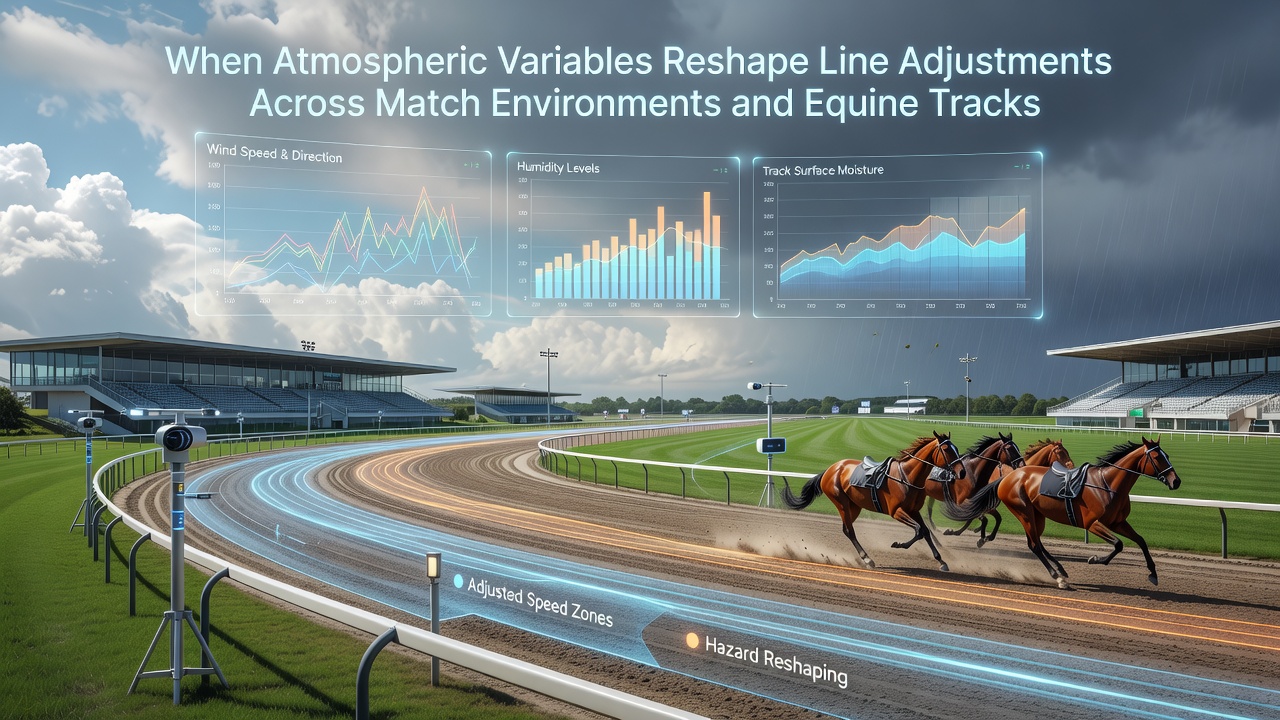
Atmospheric conditions such as temperature fluctuations, wind speed, humidity levels, and precipitation directly influence how bookmakers adjust wagering lines for football matches and equine competitions, since these variables alter player performance, ball trajectory, and track surfaces in measurable ways. Observers note that sudden weather shifts often prompt rapid revisions to point spreads, totals, and odds, particularly when forecasts indicate heavy rain or strong gusts that could slow gameplay or favor certain strategies over others.
Weather Patterns and Football Match Environments
Football contests experience notable line movements when atmospheric pressure changes create slippery pitches or affect visibility, because reduced traction leads teams to adopt more conservative passing approaches while decreasing the likelihood of high-scoring outputs. Research from meteorological agencies shows that sustained winds above 25 kilometers per hour correlate with fewer successful crosses and long-range attempts, prompting oddsmakers to lower over/under totals by half a goal or more in exposed stadiums. Data indicates that temperature drops below 5 degrees Celsius also reduce sprint distances among players, which in turn shifts moneyline probabilities toward underdog sides capable of grinding out draws through defensive setups.
Bookmakers monitor real-time radar updates from services like the National Oceanic and Atmospheric Administration to recalibrate lines, since late-afternoon thunderstorms can halt matches or turn artificial surfaces into hazards that increase foul counts and card accumulations. Those who track historical datasets find that rainy conditions in European leagues produce draw percentages climbing above 32 percent, compared with 27 percent under clear skies, which forces adjustments in handicap markets to balance action from bettors favoring home favorites.
Equine Track Responses to Atmospheric Shifts
Horse racing surfaces transform quickly under varying moisture content, with turf tracks becoming heavy after rainfall and thereby lengthening winning times by several seconds per furlong, which compels handicappers to revise morning line odds and exacta payouts accordingly. Trainers report that horses with proven mud-running pedigrees gain an edge when humidity exceeds 80 percent, prompting sharp bettors to drive support toward those entrants and causing bookmakers to shorten their prices by several points before post time. Wind direction matters on straightaways because cross breezes can disrupt stride patterns for front-runners while benefiting closers who draft behind the field.
June 2026 meetings at major venues already demonstrated these effects when unseasonal downpours converted fast dirt ovals into sloppy conditions, resulting in multiple longshot victories that reshaped exotic wagering pools and triggered refunds on early lines that failed to account for the altered pace scenarios. Industry reports from the Australian Racing Board highlight similar patterns across southern hemisphere circuits, where temperature spikes above 30 degrees Celsius prompt scratch rates to rise among stamina-challenged runners and lead to late adjustments in place and show markets.

Integrated Adjustments Across Markets
Operators combine meteorological forecasts with historical performance metrics to generate dynamic pricing models that respond within minutes to updated atmospheric readings, since a single weather bulletin can simultaneously move football goal totals and horse race win probabilities in correlated directions. Observers note that when a cold front approaches a multi-sport betting hub, combined accumulators linking match results with equine outcomes often see liability caps tightened to protect against clustered payouts that arise from synchronized environmental disruptions. Studies from university meteorology departments confirm that barometric pressure variations influence both ball aerodynamics in open-air stadiums and equine respiratory efficiency on the track, creating overlapping risk factors that sophisticated syndicates monitor through proprietary algorithms.
Regional differences emerge clearly in how lines respond, whereas northern European football venues prioritize wind data while Australian tracks emphasize rainfall totals, yet both environments require rapid communication between oddsmakers and on-site officials to maintain balanced books. Those monitoring June 2026 fixtures observed that integrated weather overlays reduced average line volatility windows from 45 minutes to under 20 minutes in affected events, because automated feeds now incorporate satellite imagery directly into pricing engines.
Conclusion
Atmospheric variables continue to drive measurable revisions in wagering lines for football and horse racing because they modify core performance metrics in predictable, data-backed patterns. Bookmakers rely on continuous environmental monitoring to maintain market integrity, while participants who incorporate weather analytics gain clearer pictures of probable outcomes across both match environments and equine tracks. Future developments in forecasting precision will likely accelerate these adjustment cycles even further as technology integrates more tightly with live betting platforms.